
Buying
Buying a Haunted House in Ontario: What Buyers and Sellers Need to Know
By Jennifer Jones · October 27, 2026
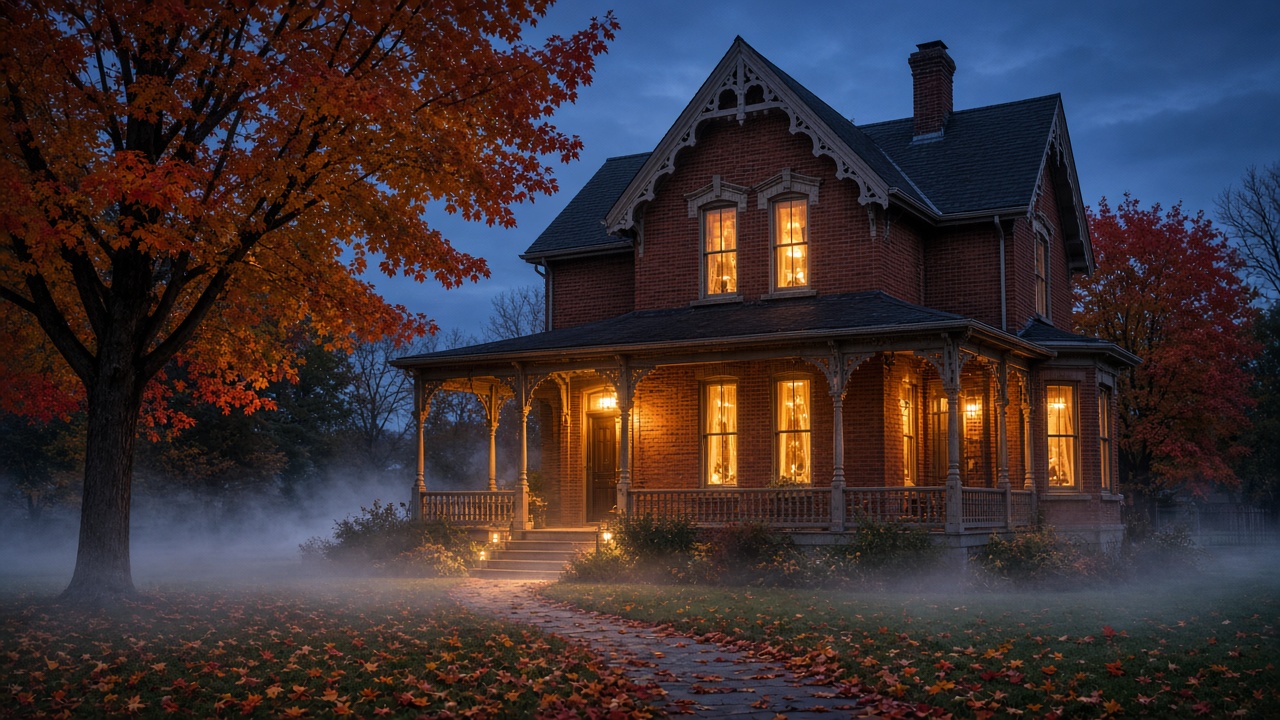
It's late October in York Region. The maples along Newmarket's older streets have gone full orange, the fog is rolling in off Lake Simcoe after dark, and somewhere between Keswick and Sutton, a buyer at an open house leans over to ask a question agents hear more often than you'd think:
"So… is there anything I should know about this place? Anything, you know, unusual?"
Spend enough years showing century homes, lakeside cottages and grand old estates, and you'll collect a few stories: a back bedroom that always feels a little cooler, a door that won't stay latched, a neighbour who swears the previous owner "never really left." (That's an illustrative composite, by the way, not a real listing.) Most of these stories turn out to have very ordinary explanations. A few become beloved family lore. And for some buyers, they matter a lot.
So let's talk about it, honestly and with a bit of fun. Here's what Ontario buyers and sellers should actually know about homes with a "haunted" reputation.
What is a stigmatized property?
In real estate, a stigma is something about a property that's non-physical. It doesn't affect how the house looks, how it's built or how it works, but it might make some people feel uneasy about living there.
The Real Estate Council of Ontario (RECO) gives examples in its guidance on stigmas, including:
- a death that occurred at the property
- the property was used for criminal activity
- the home was owned by a notorious person
- there are reports that the property is haunted
- a former grow operation that has since been properly remediated
The important thing is that a stigma is in the eye of the beholder. One buyer won't think twice about a ghost story; another won't sleep a wink. RECO notes that how much a stigma matters depends entirely on the buyer's own values, beliefs and circumstances.
That's very different from a defect, which is a physical problem with the home itself. We'll come back to why that distinction matters so much in Ontario.
Do buyers actually want haunted houses?
Some do! For every buyer who'd walk away from a home with a spooky reputation, there's another who'd consider it a selling feature: a conversation piece, a bit of character, a great story for dinner parties.
Our area has plenty of the kind of homes that inspire these tales. Newmarket's historic Main Street neighbourhoods have Victorian and Edwardian brick homes with original staircases, creaky floors and over a century of history inside their walls. Out in Georgina, you'll find old farmhouses near Udora and Pefferlaw, and generations-old cottages along the Lake Simcoe shoreline in Keswick, Jackson's Point and Sutton. Older homes simply have more history, and history is what ghost stories are made of.
For most buyers, though, a rumoured haunting ranks well below the things that really drive the decision: location, layout, condition, schools, commute and price.
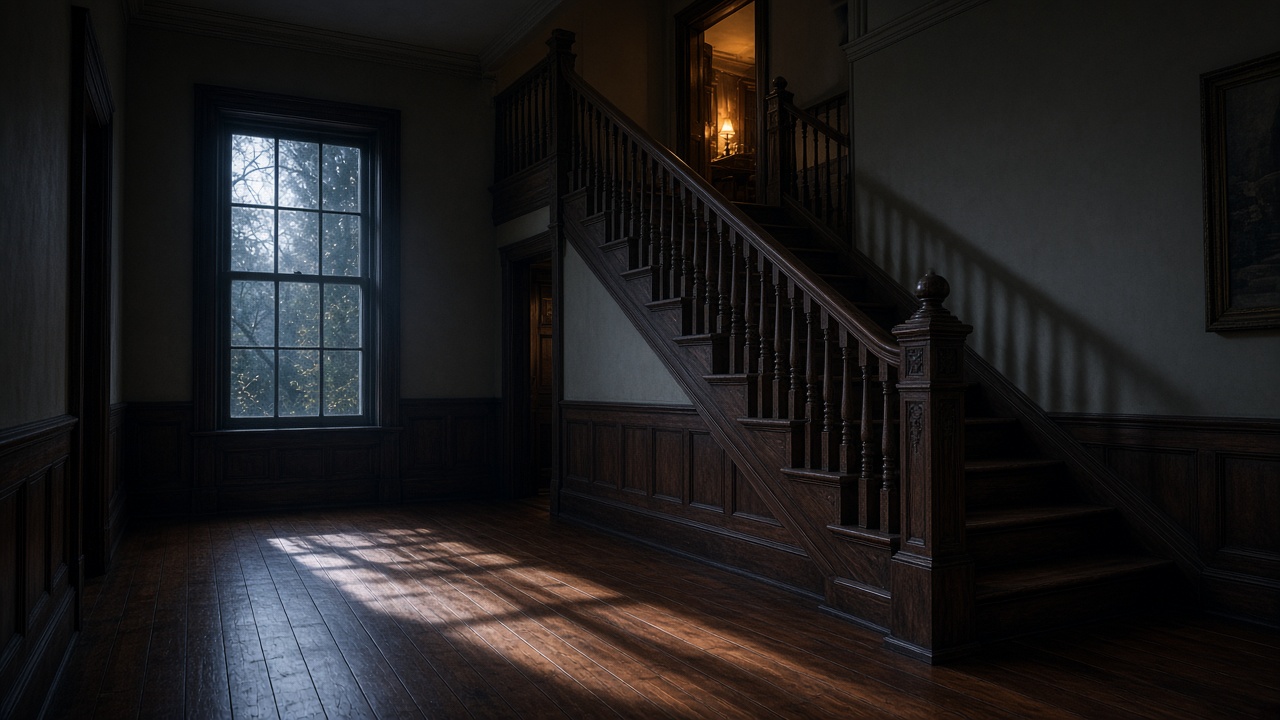
The "signs" people talk about, and the likely explanations
Whether you're a believer, a skeptic or somewhere in between, here are the experiences people most often describe, along with the practical questions worth asking first.
| What people notice | What to check first |
|---|---|
| Footsteps, knocks or tapping at night | Expanding/contracting wood, ductwork, water hammer in pipes, critters in the attic or walls |
| Cold spots or sudden drafts | Old windows, poor insulation, unbalanced HVAC, gaps around chimneys |
| Doors that swing open or won't stay shut | Settled foundations, out-of-level frames, worn latches, air pressure from the furnace |
| Flickering lights | Loose bulbs, aging wiring, overloaded circuits (call a licensed electrician) |
| Headaches, unease or a "heavy" feeling | Poor ventilation, high humidity, mould and, critically, carbon monoxide |
| Strange smells | Sewer gas, a dead animal, mould, old oil tank residue |
That last group isn't a joke. Some of the "classic" haunting symptoms overlap with real safety issues. Ontario law requires working carbon monoxide alarms in homes with fuel-burning appliances, fireplaces or attached garages. If you feel unwell in a home, check the CO alarm before you call anyone else.
How local paranormal investigators approach a claim
If you've ruled out the practical stuff and you're still curious (or concerned), there's actually a local resource right here in our backyard.
The Georgina Paranormal Society (GPS) is a local, non-profit group serving the Town of Georgina, including Keswick, Sutton, Pefferlaw, Udora and surrounding communities. According to their website, the group's mission centres on documenting local paranormal activity, conducting confidential investigations and assisting residents who reach out. GPS is led by Founder and Director Lynda Quirino, whom some viewers may recognize as a "paranormal expert" on the TV series Paranormal Survivor. The group also hosts free public meetings and community events, and has collected donations for the Georgina Food Bank.

Investigators generally start by listening to the homeowner's experiences, looking for patterns, and documenting with notes, photos and audio. Many will also consider ordinary explanations along the way. If you'd like to learn more, you can find their contact details on their website (georginaparanormal@gmail.com).
We share this as a community resource only. The Jennifer Jones Team isn't affiliated with GPS, and we're not here to tell you what to believe. If you're curious, local help exists.
Think you bought a haunted house? A practical game plan
1. Keep a journal. Write down what happens, when, where, and what the weather, furnace and appliances were doing. Patterns often point straight to a mechanical cause.
2. Rule out the house first. Have a home inspector, HVAC technician, plumber or licensed electrician take a look. Check CO and smoke alarms. Call a pest pro if the noises live in the walls or attic.
3. Talk to the neighbours. In small communities like Sutton or Keswick, neighbours often know a home's history going back decades. It's one of the best (and friendliest) research tools there is.
4. Look into the home's history. Local libraries, historical societies and archives can tell you a lot about who lived there and when, which is fascinating whether or not there's a ghost involved.
5. If you're still uneasy, reach out. Some homeowners find peace of mind in a confidential conversation with a local group like GPS. Others turn to a faith leader or a cultural tradition that's meaningful to them. Whatever helps you feel at home is valid.
What Ontario sellers and buyers need to know about disclosure

Here's where Ontario is different from a lot of what you'll read online.
Latent defects vs. stigmas. In Ontario, under case law, sellers must disclose material latent defects they know about. These are hidden physical problems a buyer couldn't reasonably find during an inspection, especially ones that make a home dangerous or unfit to live in. RECO's Bulletin 7.4 (Facts a seller has a legal obligation to disclose) explains that if a seller's agent knows about such a fact, the agent must disclose it to every interested buyer.
Stigmas are a different matter. RECO's Bulletin 7.5 (Stigmas) notes that stigmas aren't explicitly addressed in the legislation, and RECO has said there's no legislation or case law in Ontario suggesting a seller must volunteer stigma information to buyers. In plain language:
- Sellers generally aren't legally required to proactively disclose that a home is rumoured to be haunted, or other stigmas.
- Agents should have a frank conversation with seller clients about possible stigmas, recommend they get legal advice, and get written instructions on how to handle questions.
- If a buyer asks, the answer must be honest. A seller or their agent may decline to answer and suggest the buyer look into it themselves, but they can't misrepresent the facts.
- Buyers who care should ask, in writing. If a stigma matters to you, tell your agent early. Your agent can help you research and can suggest adding a representation or warranty to your offer, such as a clause in which the seller confirms, to the best of their knowledge, that certain events haven't occurred at the property.
You may have heard of a famous 1991 New York court case in which a buyer was allowed out of a deal over a house the seller had publicly promoted as haunted. That's a U.S. decision, though, and it isn't Ontario law. Here, the rules come from Ontario case law and RECO's guidance under the Trust in Real Estate Services Act, 2002 (TRESA).
This isn't legal advice. Every situation is different. If you're buying or selling a home where a stigma may be a factor, speak with your real estate lawyer and your REALTOR® before you sign anything.
Do unexplained noises need to be disclosed?
It depends on what's causing them. A noise that's simply "unexplained" or a story about a ghost is generally a stigma. But if the bumps in the night come from a known physical problem, such as a failing furnace, a roof leak, a pest infestation or faulty wiring, that may be a defect, and a known material latent defect must be disclosed. When in doubt, sellers should talk to their lawyer and agent.
Bottom line for sellers: fix what you can, be honest about what you know, and never misrepresent.
Does a "haunted" reputation affect price?
Sometimes, a little. In our experience, stigmatized homes may sit on the market a bit longer or attract a smaller pool of buyers, especially if the story is widely known. On the other hand, a home with genuine historic charm can attract buyers who love the character and the story.
In practice, condition, location and pricing strategy matter far more than a rumour. Some of our area's older estates and century homes take longer to sell for very earthly reasons: dated systems, unique layouts or a price that doesn't match the market. A thoughtful pricing and marketing plan solves most of that, ghost or no ghost.
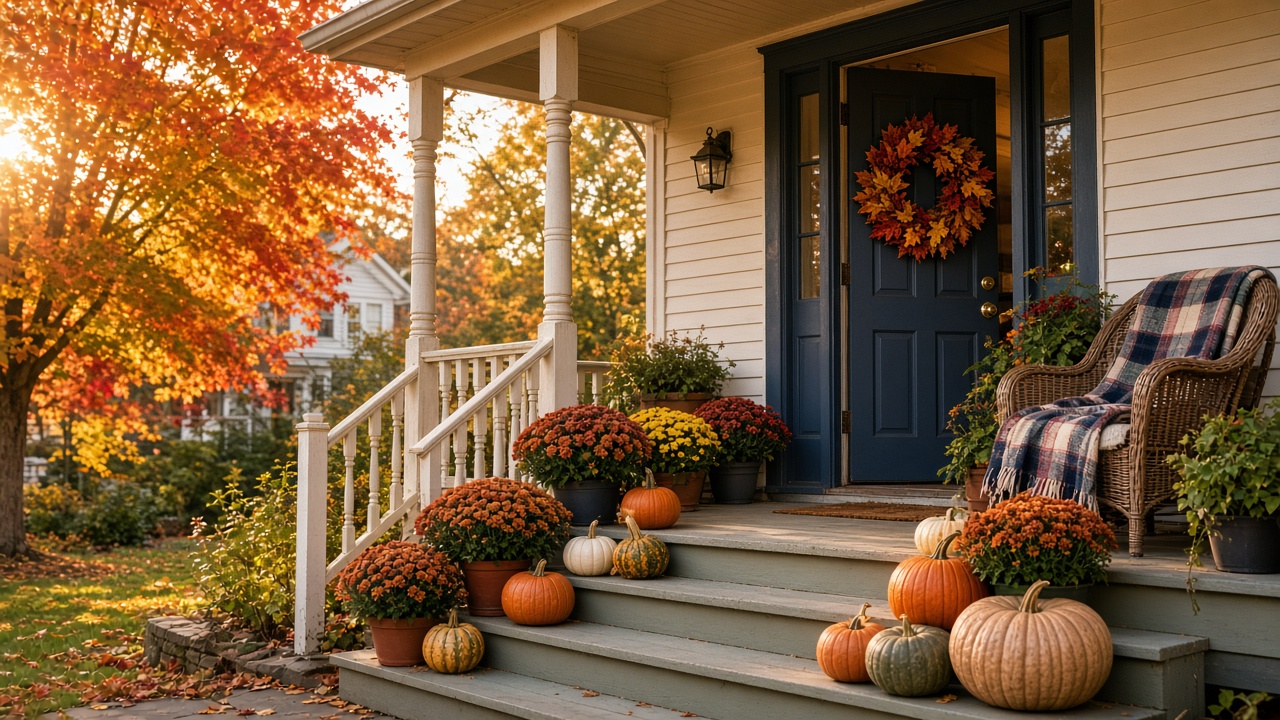
The friendliest spirit in the house
Here's the thing we've learned from helping families settle into older homes across Newmarket and Georgina: the "spirit" most people end up feeling is the home's history. They notice the craftsmanship in a 120-year-old staircase, the view a cottage has framed for generations, or the neighbours who drop by with stories of who lived there before. That's not something to fear. Very often, it's what makes a house feel like home.
Buying or selling in Newmarket, Georgina, Keswick or Sutton?
Whether you're hunting for a century home with character, a Lake Simcoe getaway or something brand new (and guaranteed story-free), we're happy to help you ask the right questions, including the unusual ones.
Reach out to The Jennifer Jones Team | LPT Realty at jj.team.
Sources: RECO Bulletin 7.5, Stigmas; RECO Bulletin 7.4, Facts a seller has a legal obligation to disclose (reco.on.ca); Georgina Paranormal Society website (georginaparanormalsociety.weebly.com). This article is general information for consumers and is not legal advice. Any anecdotes are illustrative composites and do not refer to any specific property.
The Jennifer Jones Team | LPT Realty
Common questions
Does a seller in Ontario have to disclose that a home is rumoured to be haunted?
+
RECO’s stigma guidance notes that stigmas aren’t explicitly addressed in the legislation the way material latent defects are, and sellers generally aren’t legally required to volunteer stigma information. If a buyer asks, answers must be honest (or the seller/agent may decline and suggest the buyer research). This is general information, not legal advice.
What is a stigmatized property under RECO guidance?
+
A stigma is a non-physical issue that may make some people uneasy—examples RECO lists include a death at the property, criminal activity, a notorious former owner, reports the property is haunted, or a remediated former grow-op. How much it matters depends on the buyer’s values and circumstances.
Who is the Georgina Paranormal Society?
+
The Georgina Paranormal Society (GPS) is a local non-profit serving Georgina communities including Keswick, Sutton, Pefferlaw and Udora. Their site describes confidential investigations and community education; The Jennifer Jones Team is not affiliated with GPS.
Next step
Talk it through with the team.
Local advice across South & Central Ontario — no pressure, just a clear plan.